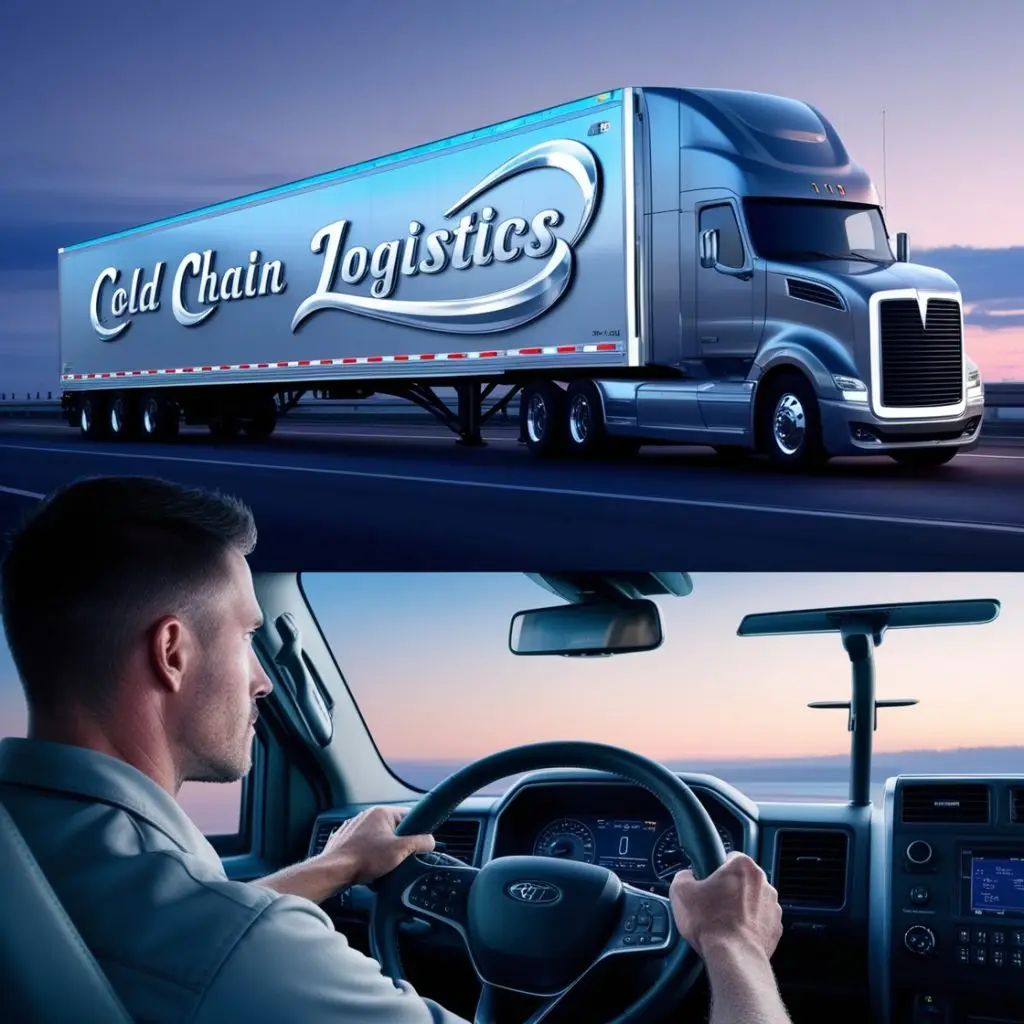

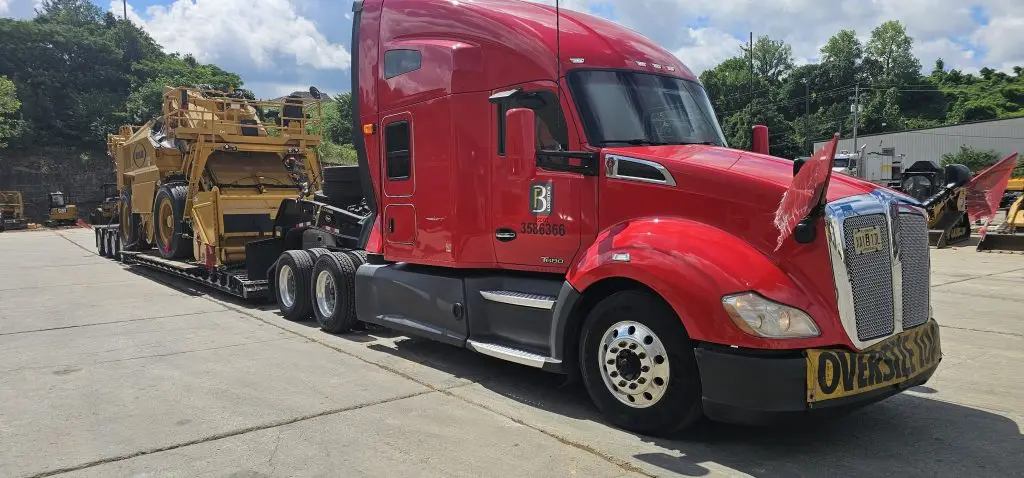
The trucking industry plays a critical role in the U.S. economy, serving as the primary mode of freight transportation. This blog explores the significant impact of trucking on economic growth, job creation, and consumer goods availability.
Economic Contribution: The trucking industry generates billions of dollars in revenue annually, contributing to the nation’s GDP. Trucks transport over 70% of all freight in the U.S., making them indispensable to the supply chain.
Job Creation: The industry employs millions of Americans, from drivers to logistics coordinators to maintenance personnel. Trucking not only provides jobs but also supports secondary industries like manufacturing, retail, and fuel services.
Consumer Goods Availability: The availability of consumer goods depends heavily on trucking. From groceries to electronics, trucks ensure that products reach store shelves in a timely manner, supporting consumer demand and retail sales.
Challenges and Opportunities: Despite its importance, the industry faces challenges such as driver shortages, fluctuating fuel prices, and regulatory changes. However, these challenges also present opportunities for innovation and growth, particularly in areas like driver recruitment, fuel efficiency, and regulatory compliance.
Conclusion:
The trucking industry is a vital component of the U.S. economy, driving growth and ensuring the availability of essential goods. As the industry evolves, it will continue to play a pivotal role in the nation’s economic landscape.