
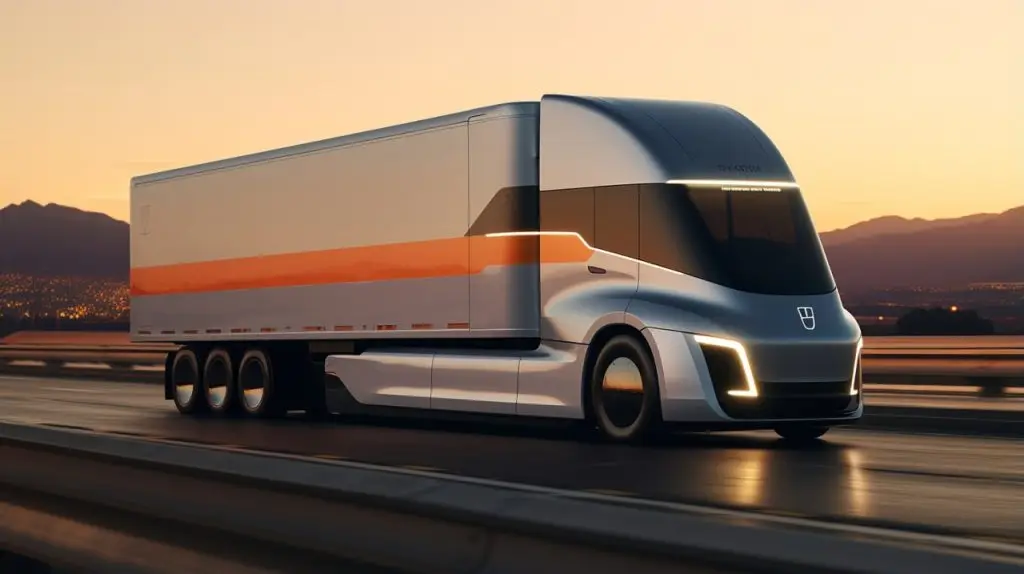
Autonomous trucks are poised to revolutionize the trucking industry, offering new possibilities for efficiency, safety, and cost savings. This blog explores how self-driving technology is shaping the future of trucking and what companies need to know about the benefits and challenges of autonomous vehicles.
- What Are Autonomous Trucks?
Autonomous trucks are vehicles equipped with self-driving technology that allows them to operate with minimal or no human intervention. These trucks use a combination of sensors, cameras, and artificial intelligence to navigate roads, avoid obstacles, and make real-time driving decisions. - Benefits of Autonomous Trucks:
The adoption of autonomous trucks offers numerous benefits, including increased efficiency, reduced driver fatigue, and lower operational costs. By eliminating the need for rest breaks and optimizing routes, autonomous trucks can cover more miles in less time, improving delivery schedules and profitability. - Challenges and Considerations:
Despite the potential advantages, the implementation of autonomous trucks also presents challenges. These include regulatory hurdles, technological limitations, and concerns about job displacement for truck drivers. Additionally, the safety and reliability of self-driving technology remain critical issues that need to be addressed. - Impact on the Trucking Industry:
The widespread adoption of autonomous trucks could significantly impact the trucking industry, leading to changes in logistics, fleet management, and driver roles. Trucking companies will need to adapt to new technologies, retrain their workforce, and navigate evolving regulations to stay competitive. - Current Developments in Autonomous Trucking:
Several companies are already testing and deploying autonomous trucks on public roads, with pilot programs underway in various regions. These developments are paving the way for broader adoption, as more companies explore the potential of self-driving technology in their operations. - Preparing for the Future:
Trucking companies should start preparing for the future of autonomous vehicles by staying informed about technological advancements and regulatory changes. Investing in training and exploring partnerships with technology providers can help ease the transition and position your company for success in an autonomous future.
Conclusion:
The future of autonomous trucks is rapidly approaching, bringing both opportunities and challenges for the trucking industry. By understanding the potential impact of self-driving technology and preparing for its adoption, trucking companies can stay ahead of the curve and capitalize on the benefits of this emerging technology.