

Flatbed trucks play a crucial role in transporting oversized or unconventional cargo. While they offer versatility in handling various types of loads, ensuring the safety and security of these loads is paramount. Properly securing flatbed loads is not only essential for the safety of the driver and others on the road but also for protecting the integrity of the cargo. In this article, we will explore best practices for securing flatbed loads to ensure a safe and efficient transportation process.
- Know Your Load: Before securing any flatbed load, it’s essential to have a thorough understanding of the type, size, and weight of the cargo. Different types of loads require specific securing methods, so a clear understanding of the load characteristics is the foundation for a successful securement strategy.
- Use the Right Equipment: Investing in high-quality securing equipment is crucial for ensuring the stability of flatbed loads during transit. This includes but is not limited to:a. Straps and Binders: Use heavy-duty straps and binders to secure cargo. Regularly inspect these tools for signs of wear and tear.b. Chains: Chains are suitable for securing heavy and large items. Ensure that the chains meet the necessary working load limits and are in good condition.c. Edge Protectors: Use edge protectors to prevent straps and chains from cutting into the cargo. This is particularly important for delicate or easily damaged items.d. Tarping Systems: For loads that need protection from the elements, invest in reliable tarping systems to keep the cargo secure and dry.
- Follow Regulations and Guidelines: Different regions have specific regulations and guidelines for securing flatbed loads. It’s crucial to adhere to these rules to ensure compliance and safety. Familiarize yourself with local, state, and federal regulations, and make sure your load meets the required standards.
- Proper Load Distribution: Evenly distribute the weight of the load across the flatbed to maintain balance and stability during transit. Imbalanced loads can lead to tipping or shifting, increasing the risk of accidents.
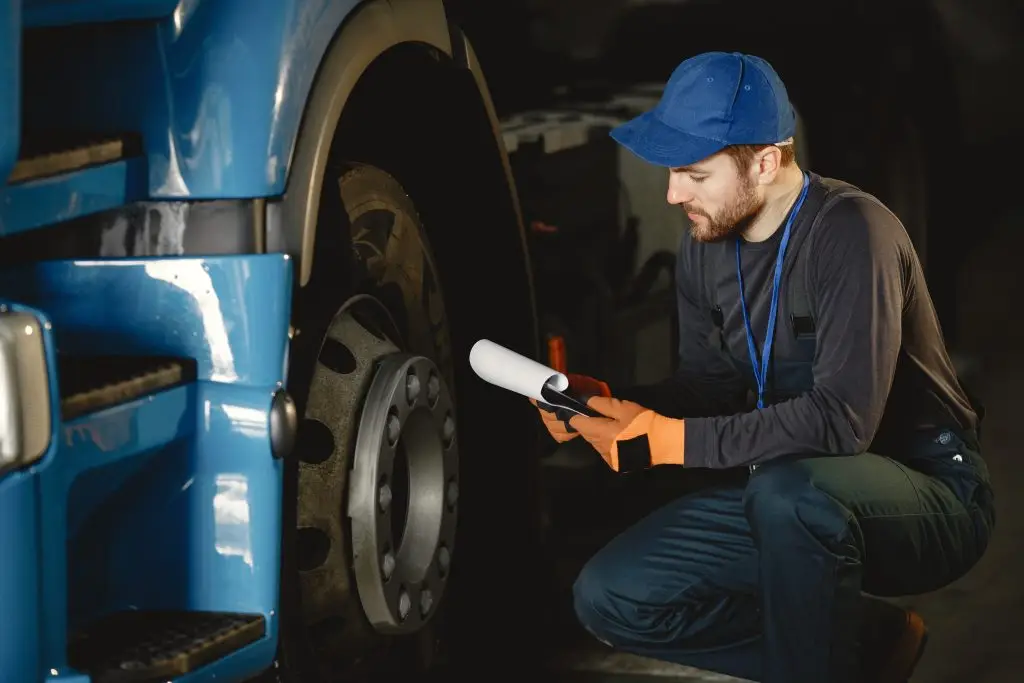
- Conduct Regular Inspections: Perform pre-trip and post-trip inspections to assess the condition of securing equipment, the flatbed, and the load itself. Any signs of wear, damage, or loosening should be addressed immediately to prevent potential hazards on the road.
- Train and Educate Drivers: Ensure that drivers receive proper training on the securement of flatbed loads. This includes understanding the specific requirements for different types of cargo and being familiar with the latest regulations and guidelines.
Conclusion: Securing flatbed loads is a critical aspect of the transportation industry that demands attention to detail, compliance with regulations, and the use of high-quality equipment. By following best practices and investing in the right tools, drivers and transport companies can contribute to safer roads and the successful delivery of diverse and challenging cargo.