
Predictive maintenance is revolutionizing the way trucking companies manage their fleets. By using data and advanced diagnostics, companies can anticipate maintenance needs and avoid costly breakdowns. In this blog, we’ll explore how predictive maintenance is transforming fleet management and improving efficiency in the trucking industry.
- What is Predictive Maintenance?
Predictive maintenance uses real-time data and analytics to monitor the condition of vehicles and predict when maintenance is needed. This allows trucking companies to perform repairs before issues arise, reducing unexpected breakdowns and extending vehicle lifespans. - The Benefits of Predictive Maintenance:
Predictive maintenance helps trucking companies reduce repair costs, prevent downtime, and ensure that vehicles are always in peak condition. It also improves safety by addressing potential mechanical failures before they become serious issues on the road. - How Predictive Maintenance Works:
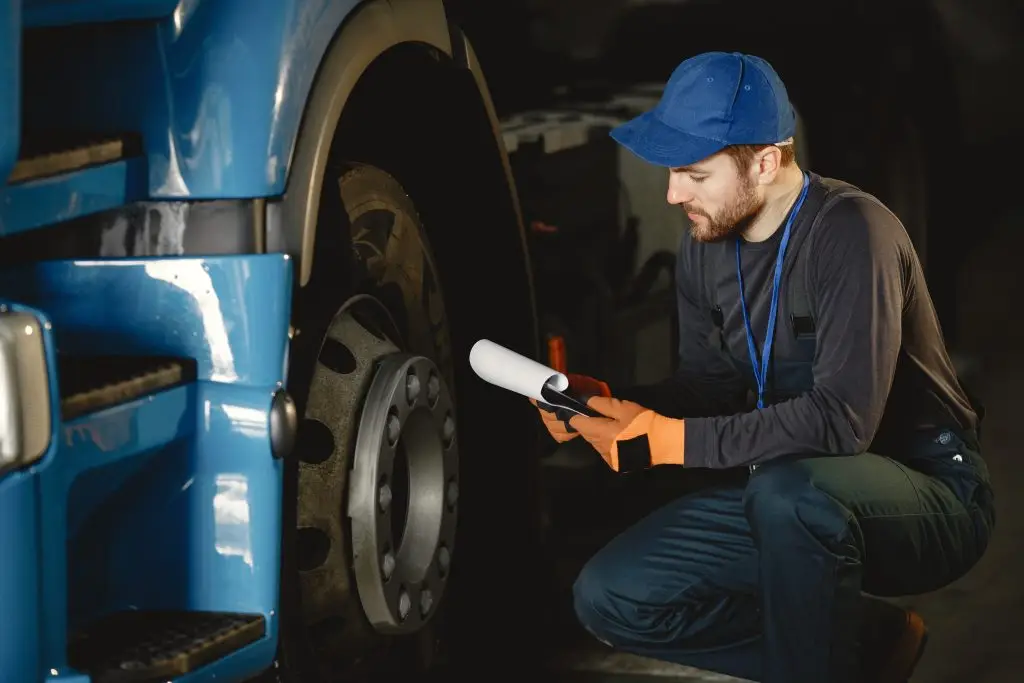
By installing sensors on trucks, companies can gather data on engine performance, fuel usage, tire pressure, and other critical components. This data is then analyzed by software systems to predict when a vehicle will need maintenance or repairs, allowing companies to schedule service at the most convenient times. - Cost Savings Through Predictive Maintenance:
Instead of waiting for a vehicle to break down, trucking companies can save money by performing maintenance only when necessary, based on real-time data. This approach prevents expensive emergency repairs and reduces the need for spare parts. - Impact on Fleet Management Efficiency:
Predictive maintenance allows fleet managers to optimize vehicle use and minimize downtime. By keeping trucks in optimal working condition, companies can maintain consistent operations, meet delivery schedules, and reduce disruptions caused by unexpected mechanical issues. - The Future of Predictive Maintenance in Trucking:
As technology continues to evolve, predictive maintenance will become even more sophisticated. AI-driven diagnostics and cloud-based data systems will allow companies to predict maintenance needs with even greater accuracy, improving the efficiency of fleet management across the board.
Conclusion:
Predictive maintenance is changing the landscape of fleet management in the trucking industry. By using data and advanced technology, trucking companies can avoid breakdowns, reduce costs, and keep their fleets running efficiently. As this technology continues to advance, the benefits of predictive maintenance will only grow, making it an essential tool for the future of trucking operations.