
Introduction:
In the world of transportation, securing loads on flatbed trucks and trailers is paramount to ensuring safe and efficient deliveries. From heavy machinery to oversized cargo, proper load securement techniques are essential to prevent accidents and protect both the cargo and other road users. In this blog post, we’ll explore essential tips and best practices for mastering cargo security on flatbed trucks and trailers.
1. Know Your Cargo:
Understanding the nature of the cargo you’re transporting is the first step in securing loads effectively. Consider the weight, size, shape, and center of gravity of the cargo to determine the most suitable securement methods.
2. Use the Right Equipment:
Invest in high-quality tie-down straps, chains, binders, and edge protectors designed specifically for securing loads on flatbed trucks and trailers. Ensure that all equipment is properly rated and in good condition before use.
3. Proper Placement:
Position the cargo centrally on the flatbed and distribute the weight evenly to maintain balance and stability during transit. Avoid overhanging or unbalanced loads that could shift or cause the trailer to become top-heavy.
4. Securement Points:
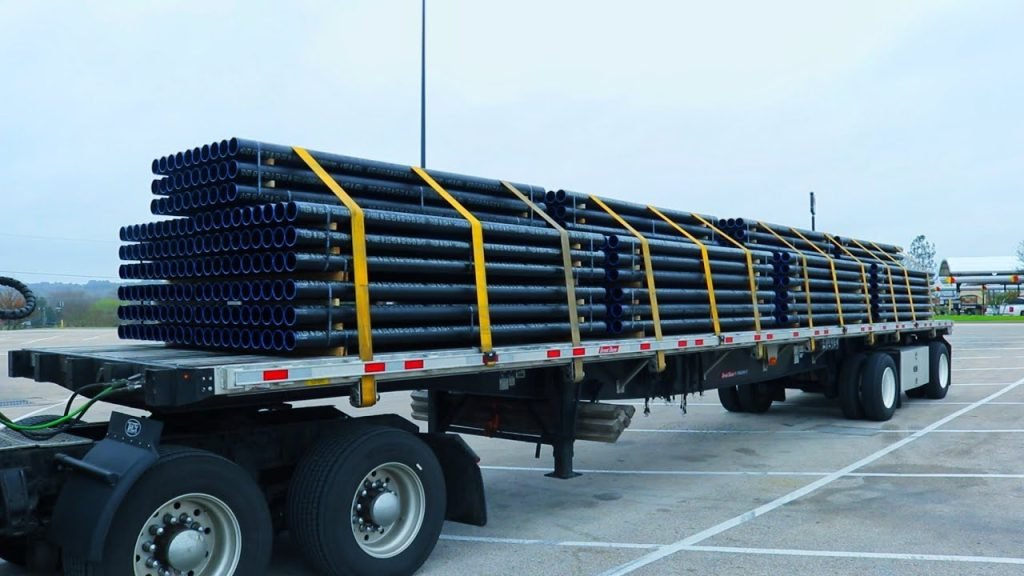
Identify and utilize the appropriate securement points on the flatbed trailer, such as stake pockets, D-rings, or chain anchor points. Ensure that tie-downs are attached securely and at the correct angle to maximize strength.
5. Use Multiple Tie-Downs:
Use a combination of tie-down straps, chains, and binders to secure the load from multiple angles. Cross-tying techniques can provide additional stability and prevent lateral movement of the cargo.
6. Apply Proper Tension:
Apply sufficient tension to tie-down straps and chains to prevent movement of the cargo without causing damage. Follow manufacturer recommendations for tensioning and regularly inspect tie-downs during transit for any signs of loosening.
7. Protect the Cargo:
Use appropriate padding and edge protectors to prevent damage to the cargo and securement equipment during transit. Take additional precautions for fragile or sensitive cargo to ensure safe delivery.
8. Regular Inspections:
Perform pre-trip and periodic inspections of load securement equipment, including straps, chains, and anchor points. Replace any worn or damaged components promptly to maintain the integrity of the load securement system.

Conclusion:
Mastering cargo security on flatbed trucks and trailers is essential for safe and efficient transportation of oversized and specialized cargo. By following these tips and best practices, you can ensure that your loads are securely strapped and protected, providing peace of mind for both drivers and cargo owners alike. Stay tuned for more insightful blogs on transportation and logistics topics!